
Vehicle graphics
Wrapping a van: from artwork to installation
What to check before production: bodywork, messaging, artwork files and installation time.
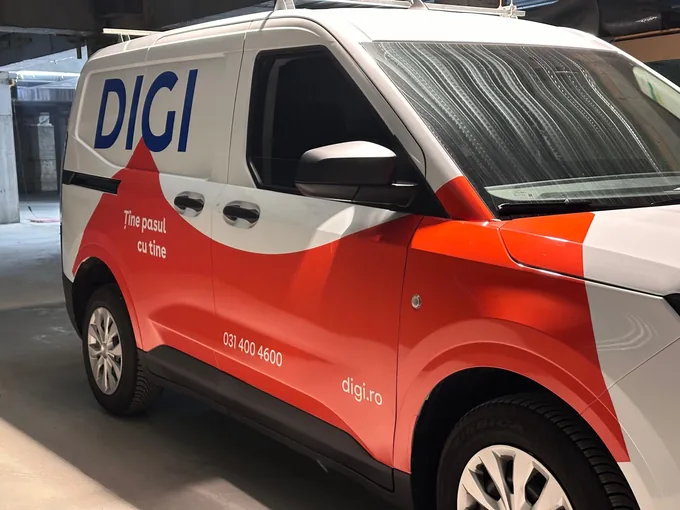
A van has differently sized panels, doors that open separately and fittings that interrupt the artwork. Planning a wrap therefore starts with the actual vehicle. Confirm its make, model, year and body version before preparing a layout. Clear photographs of each side help identify details, while measurements establish the final fit.
Choose the information people need to see
Start with the business name and its main activity. Add a memorable contact detail, such as your website address. If you include a phone number, check its legibility at actual size. A long service list takes space and is difficult to read on a moving vehicle. Detailed information can stay on the website.
Design the sides and rear separately. Handles, rails and panel gaps should not interrupt important lettering or contact details. Check what remains visible when a door opens. The photograph shows a DIGI van from the Productie360 portfolio and illustrates the use of a broad side panel for graphics.
Partial or full coverage
The choice depends on the required coverage, existing paint colour and budget. A partial wrap can incorporate the body colour into the design. Full coverage involves more material and adapting the layout to more surfaces. Ask for a visual showing precisely which areas are included in the work.
Inspect the vehicle and prepare the files
Inspect the bodywork before application. Repainted areas, rust, flaking paint and other damage need to be discussed with the installer. 3M vehicle film guidance highlights inspection and surface preparation. Film selection and installation methods should suit the surface and follow the film manufacturer's instructions.
Supply a vector logo and brand guidelines where available. For photography, provide the original file rather than a screenshot. Have the resolution checked at production size. Before approving the artwork, proofread the phone number, website and every line of text.
Allow time for installation and care
Agree when the vehicle will be delivered and when it can return to service. The time required depends on coverage, complexity and preparation. Review edges and areas around fittings with the installer at handover. Request care instructions for the specific film and follow the guidance on the first wash.
A useful initial enquiry includes vehicle details, photographs, required coverage, brand files and a deadline. This makes it possible to compare clearly defined proposals.
Technical reference: 3M — vehicle preparation before film installation
Have a project in mind?
Let’s talk